Biological Warfare in the American Revolution: Uncovering History’s Secrets
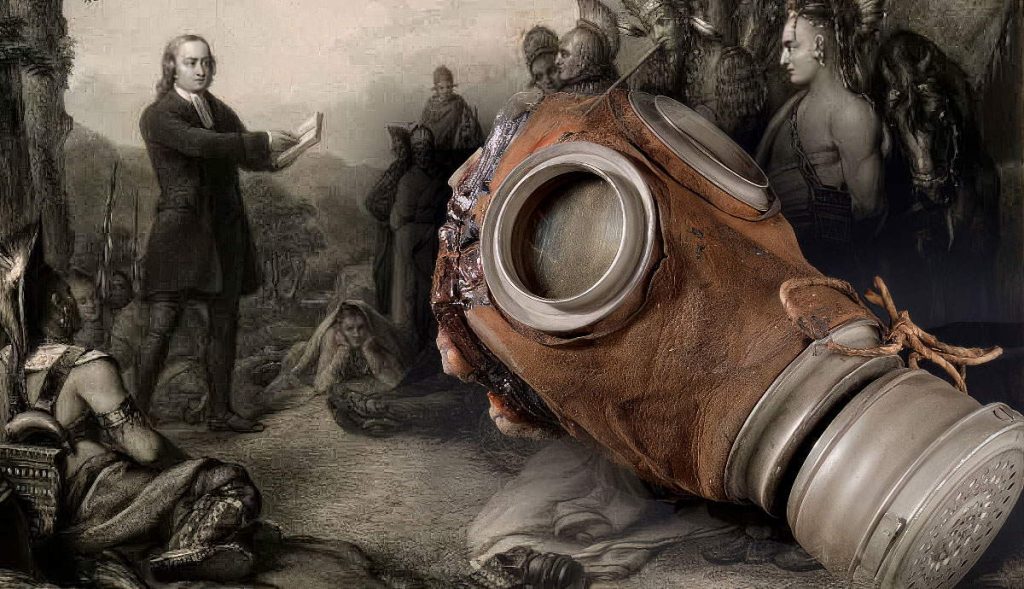
Biological warfare in the American Revolution is a lesser-explored facet of the war that significantly influenced the course of events. As smallpox ravaged George Washington’s Continental Army in 1777, it became a pressing concern that threatened to undermine their efforts against the British. Historians have begun to uncover the darker aspects of military strategy, suggesting that the British may have intentionally spread disease among American troops to weaken their resolve. Physicians played a crucial role during this tumultuous time, navigating the mayhem of warfare and disease in wartime, and highlighting the critical need for smallpox inoculation, a groundbreaking decision by Washington. This act not only revealed the historical context of biological warfare but also underscored the resilience and adaptability of a fledgling nation facing insurmountable odds.
In the context of the Revolutionary War, the use of disease as a weapon, often referred to as microbial combat or germ-based warfare, presents a fascinating area of study. This war saw the Continental Army grappling not just with enemy forces but with rampant illness, notably smallpox, which decimated ranks and jeopardized military operations. George Washington’s decision to inoculate his soldiers against this pervasive disease showcased the innovative responses to wartime challenges posed by physicians and military leaders. As hostilities intensified, the fight against debilitating afflictions became as critical as the battle against enemy soldiers. This intersection of medicine and war exemplifies how disease was not only an enemy on the battlefield but also a strategic element in the fight for independence.
The Role of Smallpox in the American Revolution
The American Revolution was not only a struggle for independence but also a battle heavily impacted by disease, particularly smallpox. The Continental Army, under the leadership of George Washington, faced the devastating effects of this infectious disease, which claimed more soldiers’ lives than the battles themselves. As Washington grappled with this crisis, his decision to inoculate his troops against smallpox demonstrated an innovative approach to wartime healthcare. Despite the high stakes, Washington believed that inoculation would provide essential immunity to his soldiers and enhance their ability to fight.
In fact, the decision to inoculate the Continental Army was revolutionary in itself, marking one of the first large-scale public health initiatives undertaken in wartime. Washington’s foresight in employing inoculation reflected a growing understanding of the importance of medicine in warfare. This strategy not only aimed to protect soldiers from illness but also served to reinforce their morale, knowing that they were taking proactive measures against a formidable enemy: the smallpox virus.
Physicians and Medicine in Revolutionary Warfare
Throughout the American Revolution, physicians played a pivotal role that often overshadowed their contributions in later conflicts. Figures like Benjamin Rush and John Warren emerged not just as healers, but as crucial players in the fight for independence. These medical professionals brought their expertise and knowledge of diseases, including smallpox, to the forefront of military strategy. Their ability to tend to wounded soldiers and manage outbreaks of illness was critical to maintaining an effective fighting force.
The Revolutionary War highlighted the necessity of integrating medical practices into military operations. Historians note that many deaths during the war were attributed to diseases rather than combat injuries, underscoring the importance of public health measures. Physicians were instrumental in establishing smallpox hospitals and developing protocols for disease management, reflecting a profound understanding of how health could influence military outcomes. This synergy between medicine and warfare laid the groundwork for more organized military healthcare systems in the future.
The Impact of Disease on Military Strategies
Disease has always affected the course of military campaigns, and the American Revolution was no exception. The impact of smallpox, coupled with other diseases like dysentery, forced military leaders to adapt their strategies. For instance, Washington’s decision to inoculate his troops was not merely an act of medical necessity but a strategic maneuver aimed at ensuring the army’s survival and effectiveness. By addressing the health of his soldiers, Washington recognized that winning the war involved more than just battlefield tactics.
As disease ravaged the ranks of the Continental Army, military leaders had to consider logistics, troop deployment, and even potential biological warfare threats from the British. The scourge of smallpox became intertwined with military planning, prompting the creation of smallpox hospitals and quarantine protocols. Such measures not only mitigated the spread of illness but also preserved the fighting strength of the army, highlighting the critical interplay between health management and military success.
Perceptions of Biological Warfare in the 18th Century
The notion of biological warfare, particularly as it pertains to the American Revolution, raises complex ethical questions. While modern interpretations may view the intentional spread of disease as morally abhorrent, during the 18th century, such tactics may not have drawn the same level of moral scrutiny. Instances where British forces allegedly sought to infect Native Americans with smallpox through contaminated blankets reflect a broader understanding of warfare at the time, where actions that we now classify as war crimes were often viewed as acceptable within the context of military strategy.
Historians have debated whether the British deployed biological warfare specifically against the Continental Army. Washington’s suspicions were fueled by reports of infected refugees from Boston and past British actions against Native American populations. However, without concrete evidence of intent to spread disease, much of what is assumed about British strategies remains speculative. This uncertainty underlines the difficulties historians face in accurately portraying the moral landscape of warfare during the American Revolution.
The Evolution of Medical Practices During War
The American Revolution was a turning point for medical practices in warfare, particularly in how diseases like smallpox were managed. Washington’s decision to inoculate his soldiers reflected a shift toward recognizing the importance of health professionals on the battlefield. Medical practices evolved significantly during this period, establishing a precedent for future military engagements where the health of soldiers would be seen as pivotal to combat readiness. Physicians in this era were not only tasked with treating injuries but also with managing disease outbreaks that could decimate troop numbers.
This evolution of medical practices marked the beginning of modern military medicine. The recognition of the need for preventive care, such as vaccinations, paved the way for advancements in how armies would approach health in wartime. The efforts of doctors like William Shippen Jr. and John Warren during the Revolution led to the establishment of foundational practices that would carry into future conflicts, emphasizing that the battle against disease is as critical as the battle against enemy forces.
Washington’s Strategic Decision on Inoculation
George Washington’s decision to implement a widespread inoculation program for his troops was a bold and strategic move in the face of a smallpox epidemic. Faced with reports of British forces potentially using biological warfare, Washington opted to inoculate all soldiers, believing that building immunity was essential for maintaining the army’s effectiveness. This decision not only aimed to protect his troops from illness but was also a calculated response to the tactical advantage that a healthy fighting force could provide.
Washington expressed hope that with a successful inoculation campaign, soldiers could quickly return to duty, ultimately strengthening the Continental Army. His proactive approach reflected a deep understanding of the urgent need for public health measures during wartime, showcasing how medical decisions can play a crucial role in military outcomes. This pivotal moment in history highlights the foresight and leadership required to navigate the complexities of disease during revolutionary conflict.
The Legacy of Revolution-Era Physicians
The contributions of physicians during the American Revolution have had a lasting impact not only on the course of the war but also on the evolution of medical practices in the United States. Figures like Benjamin Rush and John Warren laid foundational work in military medicine, benefiting future generations of medical professionals. Their legacy continues to influence how military healthcare is structured today, reinforcing the importance of disease management and preventive practices in wartime.
Moreover, the prominence of physicians during the Revolution serves as a reminder of the essential role that medicine plays in times of conflict. As disease claimed many lives, medical professionals emerged as crucial figures in maintaining the health and morale of troops. Their contributions are a testament to the interwoven nature of medicine and warfare, demonstrating that successful military campaigns depend as much on health and wellness as they do on strategy and tactics.
Historical Perspectives on Disease and War
The historical perspectives on disease during warfare provide valuable insights into the societal and military attitudes of the time. In the case of the American Revolution, disease was recognized as a formidable enemy, one that could undermine the fighting capability of an army. The widespread prevalence of smallpox and other illnesses influenced not only military strategies but also public perceptions of health and safety. This historical context sheds light on how societies cope with diseases in wartime and adapt their strategies accordingly.
Moreover, the evolution of public health measures during the Revolution laid the groundwork for modern responses to disease outbreaks in military contexts. The open discussions among military leaders and physicians about the ramifications of disease highlight an early instance of health policy being integrated into military strategy. This intersection of health and warfare in the American Revolution serves as a significant case study for understanding how past societies approached the serious threat of infectious disease.
Researching Biological Warfare in Revolutionary Contexts
Research into the potential use of biological warfare during the American Revolution remains a complex and largely unexplored area in the historical landscape. Many scholars, including David S. Jones, have approached this subject with caution, emphasizing the need for a balanced understanding of the ethical implications of such acts. Investigating how diseases like smallpox were perceived and potentially weaponized during this period raises critical questions about morality in warfare, particularly regarding the treatment of civilians and combatants alike.
Efforts to uncover evidence related to biological warfare tactics from the 18th century continue to challenge historians. Although sources from the American side are often readily available, examining British actions and intentions proves more difficult due to limited records and archives. As researchers delve deeper into this topic, they strive to piece together a more nuanced narrative of the Revolutionary War that includes the role of disease and the potential for biological warfare, seeking to paint a complete picture of this tumultuous period in American history.
Frequently Asked Questions
What role did biological warfare play in the American Revolution?
Biological warfare during the American Revolution primarily involved the spread of diseases like smallpox. Historians believe that both the British and Continental Army used disease as a weapon against each other, with George Washington suspecting that the British intentionally spread smallpox among his troops. The significant impact of smallpox on troop strength led Washington to make the decision to inoculate his army to build immunity.
How did smallpox affect the Continental Army during the American Revolution?
Smallpox severely impacted the Continental Army by causing debilitating outbreaks that decimated troop numbers. Many recruits were quarantined, hindering military readiness. Washington noted that more soldiers died from disease than combat; therefore, he initiated a widespread inoculation program to protect his troops and ensure they could fulfill their duties.
Did George Washington implement smallpox inoculation in the Continental Army?
Yes, in response to the smallpox threat, George Washington implemented a strategy of inoculation for his army. This decision, made in 1777, involved deliberately exposing soldiers to the virus under controlled conditions to build immunity, which was seen as essential in countering the British threat of biological warfare.
Were there any historical instances of biological warfare used by the British against the American colonists?
Historians discuss the potential use of biological warfare by the British, including suspicions that they may have attempted to infect American troops with smallpox during the Boston siege. While evidence of coordinated biological attacks remains elusive, there are accounts of British soldiers distributing smallpox-infested blankets to Native Americans, suggesting a precedent for using disease as a weapon.
What is the significance of physicians in the American Revolution regarding disease?
Physicians played a crucial role during the American Revolution by addressing the health crises resulting from diseases like smallpox. They were involved not only in treating wounded soldiers but also in implementing measures such as inoculation and creating hospitals to manage outbreaks, highlighting the importance of medicine in sustaining the army’s effectiveness during wartime.
How did disease management influence military strategies during the American Revolution?
Disease management was critical in shaping military strategies during the American Revolution. Both sides recognized that a healthy army was essential for success, leading to efforts in sanitation, troop inoculation, and establishing hospitals. These approaches were necessary to mitigate the high rates of disease that jeopardized military campaigns and troop morale.
What were the consequences of disease on the outcome of battles during the American Revolution?
The consequences of disease during the American Revolution were profound, as more soldiers perished from illnesses like smallpox than from combat. This high mortality rate weakened forces and often altered attack strategies. Understanding and addressing disease was a key factor in the ultimate success of military operations, necessitating innovations in medical practices.
What insights do historians offer about the use of biological warfare in the American Revolutionary War?
Historians highlight the ambiguity surrounding biological warfare in the American Revolutionary War, noting that while both sides may have used disease strategically, concrete evidence is hard to come by. The reliance on disease as a weapon raises questions about wartime ethics and the nature of warfare itself, emphasizing the brutality of colonial conflicts and the role of medicine.
| Key Point | Details |
|---|---|
| Biological Warfare Allegations | During the American Revolution, there were suspicions that the British sought to spread smallpox among American troops as a weapon. |
| Washington’s Response to Smallpox | To combat smallpox among his troops, Washington ordered mass inoculation, believing it would lead to immunity and help maintain his army’s strength. |
| Role of Physicians | Physicians played a crucial role during the Revolution, with more prominence in military affairs compared to later wars. |
| Historical Inquiry | Continuing research aims to uncover any evidence supporting the theory of biological warfare, though no definitive proof has been found yet. |
| Historical Context | Historical accounts suggest that both sides engaged in actions considered war crimes, yet such actions were normalized in the context of warfare at the time. |
| Future Research | A project is underway to analyze the medical practices and challenges during the Revolution, with publications expected by 2033 to commemorate the war’s 250th anniversary. |
Summary
Biological warfare in the American Revolution involved intriguing allegations against British forces, who were suspected of deliberately spreading smallpox to weaken George Washington’s Continental Army. This critical period demonstrated the significant role of physicians and the understanding of medicine during wartime. As Washington took assertive measures to inoculate his troops against the deadly disease, it reflected the dire health challenges faced by soldiers and the innovative medical strategies employed to ensure survival and military effectiveness. The historical scrutiny around these events continues as historians seek to clarify the extent and implications of biological warfare tactics used during this formative time in American history.