Morgan Ortagus Iran Attack: Insights on Nuclear Threats and Strategy
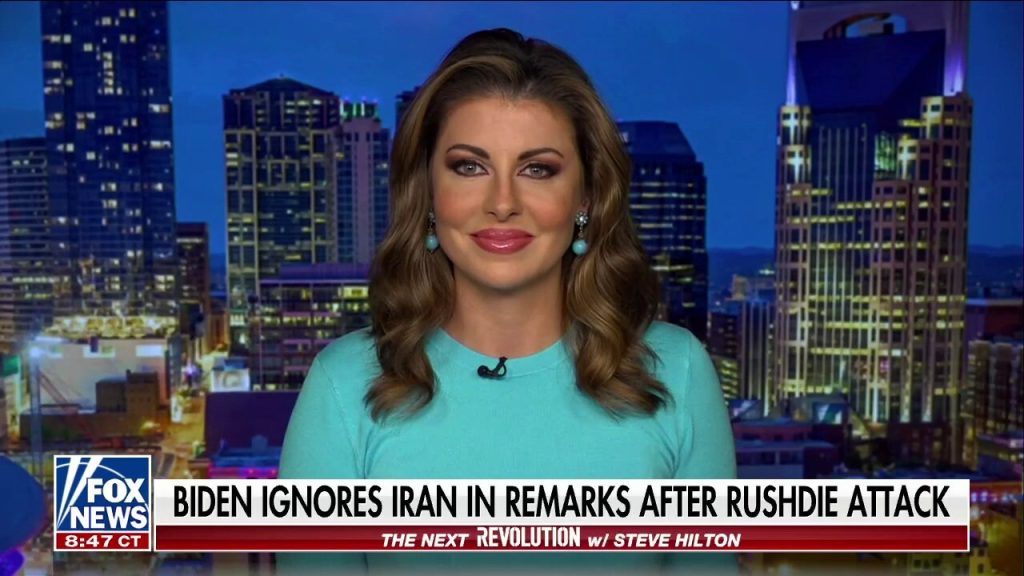
Morgan Ortagus has made significant headlines following the recent U.S. military action against Iran, citing it as a necessary response to the culmination of threats posed by the Iranian regime. The former Trump administration official articulated that this attack was not merely about regime change, but essential in addressing Iran’s burgeoning nuclear program and its impacts on regional stability. Ortagus emphasized that previous diplomatic attempts had failed, thus justifying the need for proactive measures to protect American interests and allies. Her statements resonate with a growing sentiment regarding the Iranian regime’s continued malign influence, including threats to U.S. bases and plots against U.S. officials. As the debate surrounding military strategy and foreign policy unfolds, Ortagus’ reflections shed light on the complexities of addressing Iran’s aggressive posture in the Middle East.
In light of recent discussions, the concept of military engagement with Iran has gained renewed focus, particularly with voices like Morgan Ortagus championing a resolute stance against perceived threats. The dialogue encapsulates broader themes around the global approach to handling Iran’s nuclear ambitions and military provocations. Ortagus, representing a faction within U.S. foreign policy circles, argues that decisive actions are vital for safeguarding national security and curbing Iran’s influence. This rhetoric addresses not only strategies of military intervention but also emphasizes the importance of decisive leadership in international diplomacy. The ongoing debate about Iran illustrates a pivotal moment in addressing not just military threats, but the overarching geopolitical dynamics that shape U.S.-Iran relations.
The Case for Military Action Against Iran
In recent discussions surrounding U.S. military action in Iran, Morgan Ortagus articulated a compelling argument emphasizing the necessity of these actions as a defensive measure rather than a pursuit of regime change. According to her insights, the military actions performed by the U.S. and its allies on February 28 resulted from a ‘culmination of threats’ emanating from Iran, highlighting the ongoing risks posed by the Iranian nuclear program. Ortagus pointed out the dire need for protective measures to safeguard American interests in a region plagued by instability and hostile regimes.
Ortagus further elaborated on the implications of the U.S. stance, arguing that continuous diplomatic efforts, spanning multiple administrations, had failed to restrain Iran’s aggression. The perceived intransigence of the Iranian leadership necessitated a robust military response. Ortagus posited that strategic strikes, such as those executed in the recent U.S.-Israeli collaboration, underline a fundamental shift from a purely diplomatic approach to one that restores deterrence and prioritizes U.S. security interests.
Morgan Ortagus on Iran’s Nuclear Threat
During her address, Morgan Ortagus commented on President Trump’s assertions regarding the obliteration of specific sites tied to Iran’s nuclear ambitions, clarifying that these remarks reflected a tactical viewpoint. Ortagus indicated that military actions were aimed at curtailing Iran’s capacity to further develop its nuclear weapons program, thereby addressing a critical threat to regional stability. She emphasized that these operations were part of a more extensive framework to eliminate the dangers posed by Iran’s military capabilities, including its navy and missile stockpile.
The concern surrounding the Iranian nuclear program is not new; it has been a focal point in U.S. foreign policy for years. Ortagus’s statements resonate with the historical context of Iran’s attempts to advance its weapons capabilities and the resultant anxieties felt by America and its allies. By reinforcing the narrative that military engagement could neutralize Iran’s nuclear threat, Ortagus aims to justify the decision-making process behind the Trump administration’s aggressive posture towards Tehran.
Reassessing U.S. Strategy Towards Iran
In analyzing the U.S. military actions in Iran, Ortagus asserted that the Trump administration did not engage in reckless warfare but rather sought to recalibrate the approach towards Iran through combined diplomatic and military strategies. She mentioned that while military action was often seen as a last resort, it became clear that Iran’s aggressive posture necessitated a multifaceted approach to mitigate threats effectively. This approach not only focused on eradicating immediate dangers but also laid the groundwork for future negotiations with the Iranian government.
Moreover, Ortagus maintained that the administration’s actions reflected a desire to hold Iran accountable for its destabilizing influence in the Middle East. By supporting military initiatives alongside diplomatic endeavors, the U.S. aimed to communicate a firm stance against Iran’s activities while still leaving the door open for negotiations. The hope is that such actions could eventually change the calculus of the Iranian leadership, encouraging them to reconsider their strategies concerning nuclear development and regional aggression.
Diplomatic Efforts versus Military Intervention
Morgan Ortagus highlighted the ongoing tension between pursuing diplomatic solutions and the necessity of military action against Iran. Despite numerous overtures for diplomatic engagement, including repeated offers from President Trump, Ortagus lamented the Iranian regime’s consistent rejection of these initiatives. She argued that their choices have led to further isolation and conflict rather than cooperation, showcasing a pattern of behavior that undermines both regional stability and their own governance.
In her view, the ultimate goal of U.S. military intervention is not merely to dismantle the Iranian regime but to protect U.S. interests and bolster the safety of its allies in the region. Ortagus reinforced that the military strikes, discussed during her talk, were grounded in a broader strategy aimed at deterring Iran’s ambition for nuclear weaponry and ensuring that diplomatic efforts are genuinely pursued rather than exploited by Tehran as a means to stall for time.
Historical Context of U.S.-Iran Relations
The complex relationship between the U.S. and Iran takes center stage in Ortagus’s discussion of U.S. military actions. Historically, the U.S. has grappled with Iran’s aggressive posturing and its nuclear ambitions, catalyzing a series of military and diplomatic responses. Ortagus provides insight into how previous administrations handled Iran, noting that while attempts at diplomacy were plentiful, the lack of meaningful progress often necessitated a more forceful approach.
Moreover, by understanding the historical context, it becomes apparent why current leaders, including Trump, may view military response as essential. From long-standing threats to American personnel and interests in the region to Iran’s funding of proxy wars and terrorism, Ortagus suggests that the breadth of these issues justifies a reactive military posture as a way to safeguard future security.
Implications of the Trump Administration’s Iran Policy
Ortagus’s discourse on Iran unveils many consequences stemming from the Trump administration’s policies. The assertion was clear: the administration sought to distance itself from past failures to contain Iran’s nuclear ambitions through a radical shift in strategy that relied heavily on military intervention. Critics argue that such a pivot could exacerbate tensions, but Ortagus believes it has so far provided necessary leverage in negotiations.
This policy shift carries significant implications, not only for U.S.-Iran relations but also for broader geopolitical dynamics in the Middle East. Ortagus argues that the Trump administration’s confrontational approach would signal to Iran that continued provocations would not go unanswered, thus establishing a more credible deterrent against Iranian aggression. While this may invite criticism for potentially igniting tensions, Ortagus views it as a pragmatic approach to promoting stability and security for American interests.
The Role of U.S. Allies in the Iran Conflict
Ortagus emphasizes the strategic necessity of collaboration with U.S. allies in confronting Iran’s threats effectively. Countries such as Israel and Saudi Arabia have vested interests in limiting Iran’s nuclear capabilities and regional influence. She notes that the recent military actions were not solely U.S. endeavors but marked collaborative efforts that reflect a unified front regarding Iran’s ambitions.
The importance of allied cooperation extends to intelligence sharing, military strategy formulation, and public messaging concerning Iran. Ortagus indicates that allies play a crucial role in legitimizing military actions and enhancing collective security in the region. The collaborative nature of these initiatives underscores a commitment to a shared goal: the stabilization of the Middle East and containment of Iran’s nuclear threat.
Future Prospects for Iran’s Domestic Situation
Another dimension to the analysis offered by Ortagus revolves around the implications of military actions for Iran’s domestic stability. While the intent is not directly aimed at fostering regime change, the potential outcomes of U.S. interventions may catalyze shifts within Iran’s governance. By undermining the core leaders of the Iranian regime, military actions might inadvertently empower reformist elements who seek change from within.
Ortagus mentioned that the Iranian people’s suffering under authoritarian rule could prompt internal change, drawing attention to their aspirations for freedom and reform. While the U.S. maintains a non-regime change policy, there’s an acknowledgment that supportive actions might pave the way for a more representative government willing to engage constructively on nuclear proliferation and regional security.
The Need for a Comprehensive Strategy on Iran
In conclusion, Otagus posits the necessity for crafting a comprehensive strategy concerning Iran that encompasses both military and diplomatic avenues. She maintains that while military actions are vital for immediate security concerns, they should be part of a larger framework that includes sustained diplomatic engagement to resolve the underlying issues of the Iranian nuclear program. This dual approach, she suggests, will not only address current threats but also strive to establish a long-term peace framework.
Ultimately, Ortagus’s insights underscore the complexities of U.S.-Iran relations, arguing that a nuanced understanding of both military actions and ongoing diplomatic efforts is essential for crafting an effective policy. By continuing to adapt strategies based on Iran’s evolving behaviors and regional dynamics, the U.S. can aim to secure its interests while potentially paving the way for a more stable and peaceful Middle East.
Frequently Asked Questions
What were Morgan Ortagus’s main arguments about the Iran attack?
Morgan Ortagus argued that the U.S. military action against Iran was a necessary response to a culmination of escalating threats from the Iranian regime, particularly regarding its nuclear ambitions and malign influence in the Middle East. She emphasized that the attack aimed to protect Americans and that any potential regime change was a secondary consideration.
How does Morgan Ortagus justify U.S. military action in Iran?
Ortagus justifies U.S. military action in Iran by citing years of failed diplomatic efforts and increasing threats, including plots against U.S. officials and ongoing nuclear development by Iran. She believes that decisive action helps protect U.S. interests and offers flexibility in future negotiations.
What is Morgan Ortagus’s stance on the Trump administration’s approach to Iran?
Morgan Ortagus supports the Trump administration’s approach to Iran, arguing that it was driven by a need for results. She highlighted the administration’s willingness to negotiate with Iran while also emphasizing the need to take action against threats posed by Iran’s nuclear program and military capabilities.
Did Morgan Ortagus indicate that regime change was a goal of the Iran attack?
Morgan Ortagus stated that the war with Iran was not primarily about regime change, but she acknowledged that if eliminating key leaders of the Iranian regime led to positive changes for the Iranian people, it would not be considered a mistake.
How does Morgan Ortagus view the Iranian regime’s actions towards its citizens?
Ortagus criticized the Iranian regime for its history of human rights abuses, including torturing and executing its own citizens. She expressed no sympathy for the regime’s leaders, viewing their elimination as potentially beneficial for Iran’s future.
What insights did Morgan Ortagus provide about the Iran nuclear program?
Ortagus explained that while President Trump claimed the Iran nuclear program had been significantly diminished due to U.S. military action, this only referred to specific targets. She stressed that Iran’s intent to develop nuclear weapons remained a critical concern.
What challenges did Morgan Ortagus highlight regarding negotiations with Iran?
Ortagus noted that the Iranian regime has repeatedly chosen to forgo diplomacy for a theocratic agenda, complicating effective negotiations. She asserted that the U.S. offered multiple diplomatic opportunities which were ultimately rejected by Iran.
How did Morgan Ortagus characterize President Trump’s desire for a deal with Iran?
Ortagus mentioned that President Trump initially sought a deal with Iran and was open to negotiations. However, she indicated that he felt Iran was not sincere and was merely stalling, leading to the decision for military action.
What role did Morgan Ortagus believe military action plays in U.S. foreign policy towards Iran?
Ortagus believed that military action plays a vital role in U.S. foreign policy by demonstrating strength and resolve. She posited that such actions could enhance the U.S.’s negotiating position with Iran and deter further aggression.
What was the context of the U.S. strikes on February 28 mentioned by Morgan Ortagus?
The U.S. strikes on February 28 were framed by Ortagus as a response to a series of threats from Iran, following years of unsuccessful diplomatic efforts by previous administrations and increasing hostility, including threats to U.S. personnel and allies.
| Key Point | Details |
|---|---|
| Context of Attack | The war with Iran is presented as a protective measure against nuclear threats rather than a regime change initiative. |
| Morgan Ortagus’ Role | Former U.S. special envoy to the Middle East, emphasizing her role in negotiating policies. |
| Culmination of Threats | Ortagus argued that the February 28 strikes were a response to ongoing threats from Iran, not just isolated incidents. |
| Diplomatic Efforts | Ortagus stated that multiple administrations tried to negotiate with Iran, pointing out their ineffective outcomes. |
| Criticism of the Administration | Ortagus defended the administration’s military actions against criticisms, citing the need for flexibility in negotiations. |
| Iran’s Nuclear Program | Clarified that while some targets were obliterated, Iran’s nuclear ambitions remain intact and a significant concern. |
| Diplomatic Hand Offered | Ortagus emphasized that Iran has repeatedly declined diplomatic engagement to pursue a theocratic agenda. |
Summary
Morgan Ortagus’ remarks on the Iran attack highlight the administration’s rationale behind military action, framing it as a defense measure against a growing nuclear threat rather than an attempt at regime change. Throughout her discussion, it is clear that the U.S. perceives Iran’s actions as an unyielding series of provocations that warrant a military response. The complexities of diplomatic efforts over the years, alongside the current geopolitical dynamics, underscore the significance of the approach taken by the Trump administration. Ensuring the containment of nuclear threats from Iran remains a pivotal focus of U.S. foreign policy.